ADVERTISEMENT
Renting a place to live can be a significant financial commitment, and there are a variety of expenses associated with it. It’s important to be aware of the various costs you’ll incur when deciding whether to rent a home or apartment. This article will explain the different types of expenses you need to consider when renting a property.
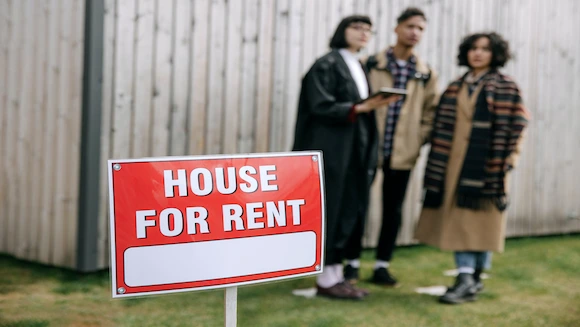
Rent
The most obvious expense to consider when renting a home or apartment is the monthly rent. Rent prices will vary depending on the size, location, and amenities of the property you choose. Additionally, you may be required to pay a security deposit. This deposit is typically equivalent to one or two months’ rent and it acts as a guarantee against possible damages and other obligations you may incur during the course of your lease.
Utilities
Utilities refer to any services such as electricity, water, gas, and internet that are used to maintain a property. When renting a property, you are typically responsible for paying the utilities directly to the company that supplies them. Depending on the type of utilities you’ll be using and the amount of energy you need, these can easily add up. It’s important to factor this cost into your budget.


Maintenance
Maintenance costs are usually the responsibility of the landlord. However, it’s important to be aware of what you may be responsible for in your tenancy agreement. Common costs include repairs for small damages, lawn care, and pest control.
Furnishings
Depending on the type of rental property you choose, you may need to furnish the space yourself. This could include buying things like rugs, bedding, furniture, and kitchen items. These costs can quickly add up, so it’s important to factor these into your budget as well.
Moving costs
Moving costs are an important expense to consider when renting a property as there are a variety of things to pay for, including the packing of items, transportation of furniture, and the actual move-in itself. The costs associated with these fees will vary depending on the distance you’ll be travelling and the amount of items you’ll need to move.
Insurance
Most landlords require tenants to have renter’s insurance. This is a type of insurance that protects your personal belongings in case of damage or theft. Premiums vary based on the value of items you own and the coverage you’re looking for.
Fees
Fees are costs associated with renting a property that are charged by the landlords. Common fees include application fees, late fees, administrative fees, and pet fees (if applicable). It’s important to read through the lease agreement carefully to ensure that you understand any fees that may be associated with the lease.
Renting a home or apartment can be a rewarding experience, but there are a variety of associated costs that need to be taken into account. Be sure to factor in all of the expenses listed above when budgeting for a rental property. Always read your lease agreement carefully and make sure to fully understand what is expected of you as a tenant before signing on the dotted line.
ADVERTISEMENT
What is Section 8 Program?
Renting Tips
7 Ways To Access Low Income Housing
Renting Tips
Best Low-Income Housing Grants: Bridging the Affordable Housing Gap
Renting Tips

Are pets allowed in low-income housing?
Renting Tips
Where To Find Affordable Low Income Apartments for Rent Near Me?
Renting Tips

5 Benefits of Affordable Housing
Renting Tips

5 Methods To Discover Affordable Housing Without A Voucher
Renting Tips

Differences Between Public Housing and Subsidized Housing
Renting Tips

The Pros and Cons of Various Affordable Housing Options
Renting Tips



