ADVERTISEMENT
When searching for a rental home, many tenants consider the size of the property, local amenities and even the décor before signing a lease – however, it’s important to consider how pet-friendly the rental property is, too. Although some rental homes come pet-friendly by default, many landlords understandably have rules in place that limit how care and housing of animals may take place on their property.
The good news is that there are some relatively simple ways to make a rental home pet friendly. By discussing your needs up front, getting any restrictions written into the rental agreement and being mindful of pet cleanup and damage, you can create the perfect rental environment for both you and your pet. Read on to find out how you can have your furry companion live comfortably with you in a rental home.
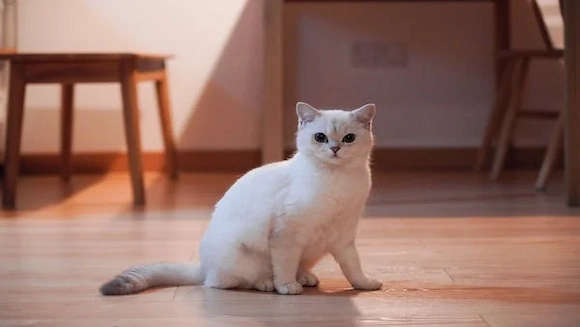
1. Discuss Pet Requirements With Your Landlord
Although landlords may stress the need for tenants to abide by specific rules related to pet ownership, it’s important to remember that they also need to respect your living arrangements. Before you sign a lease on a rental property, be sure to have an honest and open conversation with your landlord about your pet-related requirements and ask them to include it in the lease.
Many landlords have pet policies in place, and to ensure that everything is above board, it’s a good idea to ask for these rules to be printed so you can review them. If the landlord does not have any pet policies in place, you might suggest they include some of the following items:
• The type and number of pets allowed in the rental
• Any additional pet fees you will need to pay
• The need for a pet deposit
• What happens if you need to get rid of your pet
• Rules regarding pet cleanliness and noise.


2. Create a Pet-Proofed Home
Once you have your landlord’s approval to bring pets into the rental home, it’s important to ensure that the property is pet-proofed.
• Choose pet-friendly floors. Depending on the type of pet you own, you’ll need to select flooring that is both easy to clean and pet friendly. Options such as hardwood and laminate can be a good choice for pet parents, but if you plan to keep pets in specific rooms of the house, you can also opt for a more durable flooring such as tile or concrete. Avoid carpets and rugs as these tend to trap hair, dirt, and odours.
• Pay attention to doors. Pets can cause a lot of wear and tear on doors, so check to make sure that all of the doors and door frames are in good condition. If they need to be repaired, ask your landlord to do so before you move in. You may also need to install child safety locks or pet gates to keep your pets contained and keep them from getting into areas that are off-limits.
• Cover outlets and cords. Electrical outlets and cords can be dangerous for pets, so invest in outlet covers and cord protectors to prevent them from gnawing on them. Make sure you also keep all small and potentially dangerous items, such as medicine, out of reach of your pets.
3. Be Responsible for Pet Cleanup and Damage
If you’re in a rental home, chances are your landlord will expect you to take responsibility for any pet cleanup and damage.
• Stay on top of cleanup. Good pet hygiene is essential when it comes to rental properties. Make sure you clean up pet fur and pet waste regularly to keep the home odor-free and hygienic. It’s also important to vacuum the carpets, sweep the floors, and mop up any spills and messes caused by your pet.
• Prep for damage. Pet damage can range from scratches and stains to chewed furniture, so make sure that you have some kind of protection in place to prevent as much damage as possible. It’s also important to document the condition of the rental home before you move in and any damage caused by your pet so that you can prove to your landlord that you took all reasonable steps to mitigate any wear and tear.
• Understand your rental agreement. Although you may have discussed pet policies with your landlord prior to signing a lease, make sure you read through the rental agreement carefully to check for any pet-related restrictions. These will typically include information about pet cleanliness, noise levels, damage, and lease renewal.
Bringing pets into a rental home can be a challenge but, with the right preparation and communication, it is possible to make a rental home pet friendly. By discussing pet policies up front, creating a pet-proofed environment, and understanding your rental agreement, you can create the perfect balance between pet ownership and rental living.
ADVERTISEMENT
What is Section 8 Program?
Renting Tips
7 Ways To Access Low Income Housing
Renting Tips
Best Low-Income Housing Grants: Bridging the Affordable Housing Gap
Renting Tips
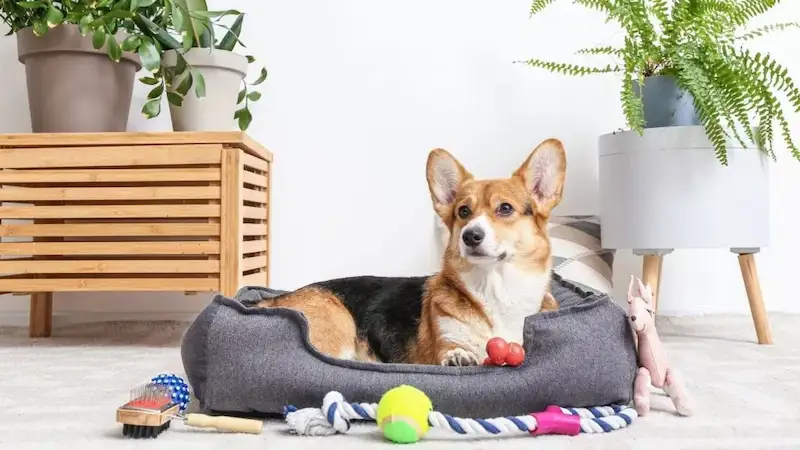
Are pets allowed in low-income housing?
Renting Tips
Where To Find Affordable Low Income Apartments for Rent Near Me?
Renting Tips

5 Benefits of Affordable Housing
Renting Tips
5 Methods To Discover Affordable Housing Without A Voucher
Renting Tips
Differences Between Public Housing and Subsidized Housing
Renting Tips

The Pros and Cons of Various Affordable Housing Options
Renting Tips



